Current lesson · 1 of 8
Farming as a Business, Not a Lifestyle
10 min read
Learning objective
By the end of this lesson you can explain the difference between farming for survival and farming as a business.
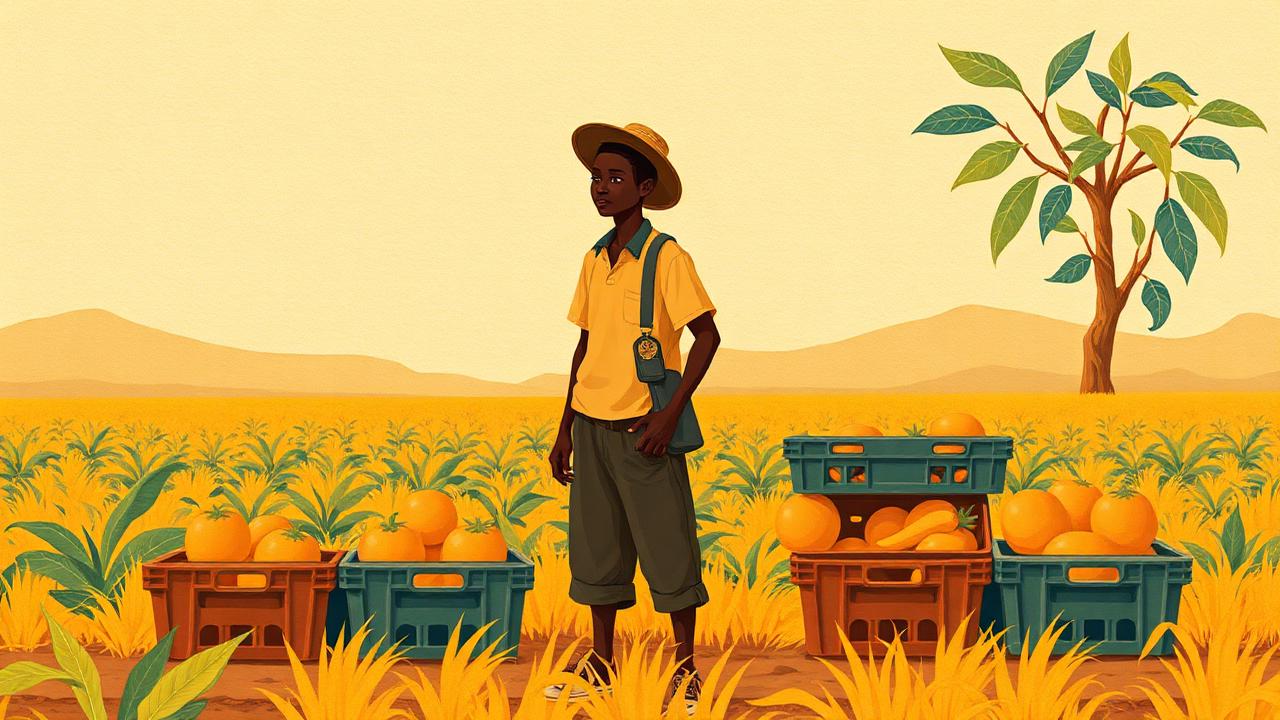

Farming as a Business, Not a Lifestyle
Welcome. In this lesson we will cover farming as a business, not a lifestyle. It takes about 10 min.
Voices are generated once, then kept on your phone. Replays use no data.
Most small farmers in West Africa farm the way their parents did — planting what they always planted, selling at the nearest market, hoping for good rains. This is survival farming, not business farming. Agribusiness management means treating the farm like a shop: knowing your costs, planning your crops, pricing for profit, and keeping records.
The difference is mindset. A survival farmer asks: 'What can I grow?' A business farmer asks: 'What can I grow that people will pay well for, what will it cost me, and what profit will I make?' This shift — from production-first to market-first thinking — is what you will learn and eventually teach others. Togo's 'Skills for Growth' programme is actively looking for people who understand this approach.
Diagrams for this lesson
Download them to study on paper, away from the phone.
One-metre beds with 40 cm paths let a person work both sides without stepping on the soil. Compacted soil loses yield.
Cash in minus cash out equals profit — only if every line is written the same day it happens.
Practice question
What is the main difference between survival farming and business farming?